A Post-Apocalyptic Character Study AI image prompt
Download this AI Image
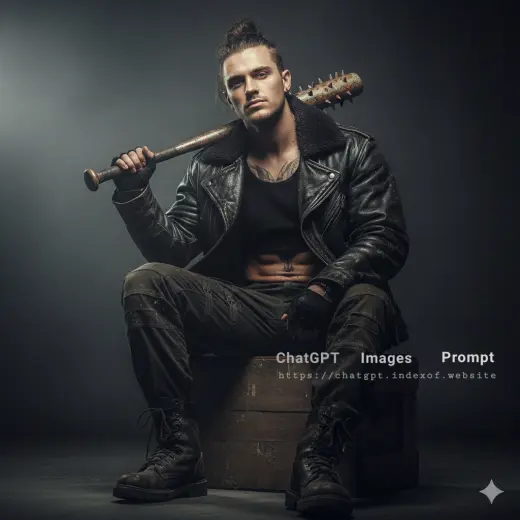
This cinematic portrait captures the essence of survival in a world gone dark. By blending rugged materials like worn leather and cold metal with a calm, introspective pose, the image moves beyond simple action to explore the psychological weight of life in a dystopian future.
Introduction: Resilience in the Shadows
The "Wasteland Warrior" aesthetic is defined by its textures: the grain of aged leather, the sharpness of spiked metal, and the gritty reality of survival. This scene depicts a veteran of the collapse, sitting in a moment of quiet reflection. The contrast between the dangerous weaponry and the subject's calm expression creates a narrative of "controlled power" that is a hallmark of high-end cinematic character design.
What This Image Prompt Creates
This prompt is engineered to generate a high-fidelity, photorealistic character render with the following features:
- Authentic Dystopian Wardrobe: A combination of a fur-collared leather jacket, tactical cargo pants, and heavy combat boots that show signs of wear and history.
- Iconic Weaponry: A spiked metal baseball bat resting on the shoulder, serving as a powerful visual symbol of strength and self-defense.
- Textural Mastery: Hyper-detailed rendering of leather grain, fur softness, skin pores, and cold metallic surfaces.
- Low-Key Studio Lighting: A dramatic lighting setup that uses deep shadows and a soft rim light to carve the subject out of a dark, moody background.
- Emotional Atmosphere: A shallow depth of field and cinematic color grading that focuses all attention on the warrior's "calm yet dangerous" expression.
Tips for Best Results
To ensure your AI generator captures the specific grit and lighting of this post-apocalyptic scene, consider these refinements:
- Subject Consistency: The prompt mentions a "male warrior" but uses "her/she" pronouns and describes a "cropped top" and "messy bun." To get a consistent result, clarify your subject as either "A rugged female survivor" or "A tough male scavenger" to ensure the AI aligns the facial features with the clothing style.
- Enhancing the "Grit": To make the character look truly post-apocalyptic, add keywords like "smudged grease," "faint facial scars," or "weathered fabric" to the prompt.
- Lighting Focus: To prevent the image from being too dark to see, emphasize the "rim lighting" and "key light on eyes" to maintain a focal point on the face.
- Material Detail: Use the keyword "specular highlights" to ensure the light catches the metallic spikes of the bat and the sheen of the leather jacket.
Example Use Cases
- Gaming Concept Art: An ideal reference for "Legendary" character skins or NPC designs in open-world survival or RPG games.
- Book & Graphic Novel Covers: A striking hero image for stories set in collapsed societies, "Mad Max" inspired worlds, or techno-thrillers.
- Cosplay & Costume Reference: A high-detail visual guide for costume designers and cosplayers looking to replicate authentic dystopian textures and layering.
- Film Production Mood Boards: A professional-grade "look-and-feel" reference for directors and cinematographers planning the lighting and wardrobe for a wasteland-themed project.
How to use this prompt with AI
To get the best results for A Post-Apocalyptic Character Study, follow these refined steps:
- Step 1: Click to copy the specialized prompt below.
- Step 2: If you have a reference photo of a person, upload it to ChatGPT first to maintain character consistency.
- Step 3: The Direction: Paste the prompt.
- Step 4: The Final Touch: Use the "Refine" tool to adjust the image until it matches your vision.
AI Image Prompt
Disclaimer
Generating images involving improvised weaponry (like spiked bats) can occasionally trigger safety filters on certain AI platforms. If your prompt is flagged, try describing the item as an "ornate defensive staff" or "customized survival tool." Additionally, because this prompt relies on "Low-Key" lighting, ensure your monitor brightness is adjusted to see the subtle textures in the shadow areas during the editing process.